Magret de canard
Dîner • France
À propos de Magret de Canard
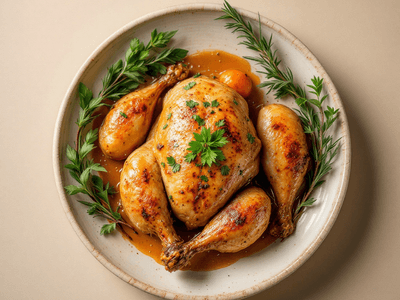
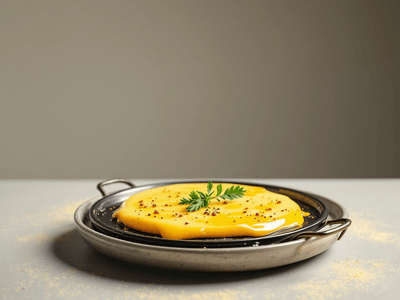
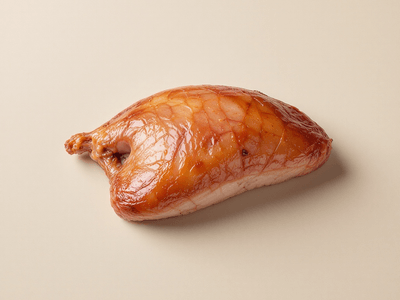
Pan-seared duck breast, served pink with sauce
How to Make Magret de Canard (Traditional & Healthy Version)
Magret de Canard, or duck breast, is a classic dish from the heart of southwestern France, particularly the Gascony region. This elegant dinner entrée is celebrated for its rich, succulent meat and crispy skin. Traditionally served medium rare, Magret de Canard highlights the rustic yet refined flavors of French cuisine, often paired with sweet or tangy sauces to complement the duck’s natural richness. French culture prides itself on balancing indulgence with quality ingredients, and Magret de Canard is a prime example. This healthy adaptation allows you to enjoy authentic French flavors while keeping your meal balanced and nutritious. Duck breast is naturally high in protein and essential nutrients, making it a great choice for health-conscious diners. The dish is perfect for special occasions or an elevated weeknight dinner, bringing a touch of France’s culinary sophistication to your table.
Ingrédients(pour 1 medium duck breast with seasonal vegetables)
- 2 pieces (~300g each) Duck breast (Magret de Canard) (Skin-on, preferably from free-range duck)
- 1 tsp Sea salt (Fleur de sel if available)
- 1/2 tsp Freshly ground black pepper
- 2 sprigs Thyme (Fresh preferred)
- 2 cloves Garlic (Crushed)
- 2 tbsp Balsamic vinegar
- 1 tsp Honey (Optional, for a touch of sweetness) - facultatif
- 2 small Shallots (Finely chopped)
- 2 cups Seasonal vegetables (Such as green beans, carrots, or haricots verts)
- 1 tsp Olive oil
Instructions
- 1
Preheat your oven to 200°C (390°F). Pat the duck breasts dry with paper towels. Using a sharp knife, score the skin in a criss-cross pattern, being careful not to cut into the meat.
5 minutes
Scoring the skin helps render the fat and crisp up the skin.
- 2
Season both sides of the duck breasts generously with sea salt, black pepper, and fresh thyme. Allow them to rest at room temperature for 10 minutes to absorb the flavors.
10 minutes
Letting the meat rest enhances flavor penetration.
- 3
Place the duck breasts skin-side down in a cold, non-stick skillet. Turn the heat to medium and allow the fat to render slowly, about 6-8 minutes, until the skin is golden and crispy.
8 minutes
Start with a cold pan to gradually render the duck fat.
- 4
Flip the duck breasts and sear the meat side for 2 minutes. Add crushed garlic and shallots to the pan for extra aroma.
3 minutes
Do not overcook; duck is best served medium rare for tenderness.
Pourquoi ce plat est sain
This Magret de Canard is a healthy choice because it emphasizes lean protein, heart-healthy fats, and nutrient-dense vegetables. The cooking method reduces saturated fat while preserving flavor, and the portion size supports calorie-conscious goals. By avoiding heavy sauces and excess oils, you enjoy all the benefits of traditional French cuisine in a lighter, more modern way.
Duck breast is a lean source of high-quality protein, rich in iron, zinc, and B vitamins, especially niacin and B12. By rendering most of the fat and serving with fiber-rich seasonal vegetables, this Magret de Canard recipe provides a balanced meal with essential nutrients and antioxidants. Using olive oil and limiting added sugars further enhances the health profile. This dish is naturally low in carbohydrates and can fit into many balanced diets.
Astuces
- 💡Tip 1: Always score the duck skin to ensure maximum crispiness and proper fat rendering.
- 💡Tip 2: Let the duck rest after cooking to keep it juicy and flavorful.
- 💡Tip 3: Use the rendered duck fat for roasting vegetables or potatoes for an authentic French touch.
Conservation et service
Store leftover cooked duck breast in an airtight container in the refrigerator for up to 2 days. Reheat gently to preserve tenderness. Avoid freezing as it can affect the texture.
À déguster de préférence: Lunch or Dinner
Informations nutritionnelles
| Nutriment | Pour 100g |
|---|---|
| Énergie | 200.0 kcal |
| Protéines | 24.0 g |
| Glucides | 0.0 g |
| Lipides totaux | 12.0 g |
| Fibres | 0.0 g |