Boudin blanc
Dîner • France
À propos de Boudin Blanc
White sausage of pork, milk and eggs — holiday classic
How to Make Boudin Blanc (Traditional & Healthy Version)
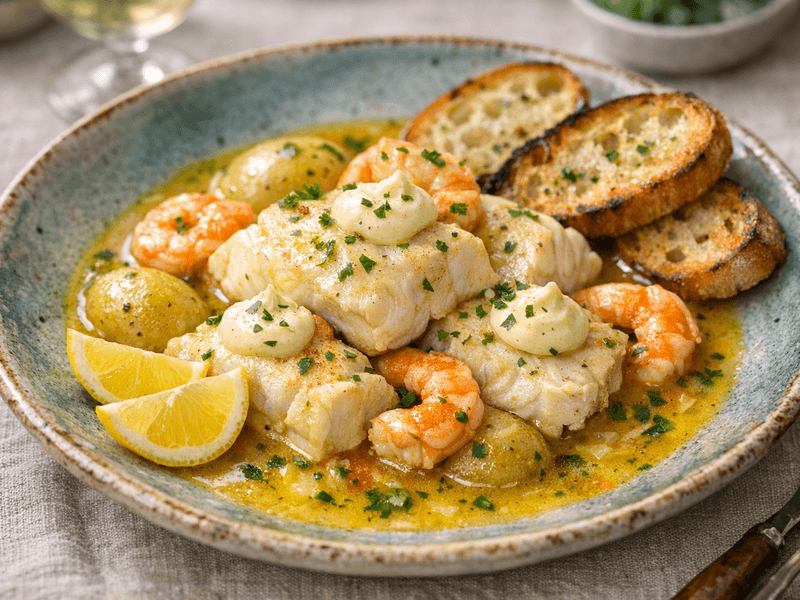
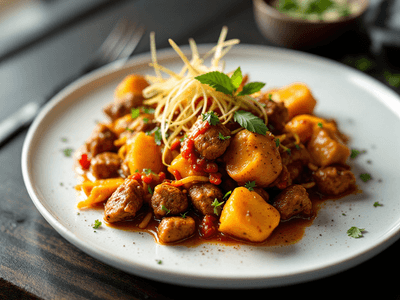
Boudin Blanc is a cherished French delicacy, particularly popular in the regions of Champagne and Normandy. Known for its delicate flavor and pale color, this traditional white sausage is made from a blend of lean meats, such as chicken, veal, or pork, combined with milk-soaked bread and subtle spices. Unlike its cousin, Boudin Noir (blood sausage), Boudin Blanc offers a milder, almost creamy taste that appeals to a wide range of palates. Its origins trace back to medieval France, where it was often enjoyed during festive occasions, especially around Christmas. The smooth, velvety texture and aromatic seasoning of Boudin Blanc make it an elegant centerpiece for dinner, celebrated for its comforting yet refined character. As French cuisine emphasizes quality and authenticity, this healthy version retains all the traditional flavors while focusing on wholesome ingredients and lighter preparation. Perfect for those seeking a genuine French culinary experience, Boudin Blanc can be enjoyed with a crisp salad or seasonal vegetables for a well-balanced meal.
Ingrédients(pour 1 large sausage (approx. 120g) per serving)
- 200g Chicken breast (skinless, boneless)
- 100g Lean pork (trimmed of fat)
- 40g Fresh breadcrumbs (from whole grain bread)
- 80ml Low-fat milk (preferably semi-skimmed)
- 1 Egg white
- 1 small Shallot (finely chopped)
- 1/4 tsp White pepper (freshly ground)
- 1/8 tsp Nutmeg (freshly grated)
- 1/2 tsp Salt (to taste)
- 1 tsp Olive oil (for pan-searing)
- 2 Sausage casings (natural, soaked and rinsed)
Instructions
- 1
Soak the breadcrumbs in the milk for 5 minutes until fully absorbed.
5 minutes
Use whole grain bread for extra fiber and nutrients.
- 2
Finely chop the chicken breast and lean pork. In a food processor, blend the meats with the soaked breadcrumbs, shallot, egg white, salt, pepper, and nutmeg until smooth.
5 minutes
Chill the mixture for 10 minutes for easier handling.
- 3
Rinse the sausage casings thoroughly under cold running water. Tie a knot at one end.
2 minutes
Ensure no air bubbles in the casing for even filling.
- 4
Carefully fill the casings with the meat mixture using a piping bag or spoon. Twist or tie off the ends to secure.
5 minutes
Do not overfill to prevent bursting during cooking.
Pourquoi ce plat est sain
This recipe for Boudin Blanc is a healthy choice because it prioritizes lean protein sources, reduces saturated fat by skipping cream and fatty pork, and incorporates whole grain breadcrumbs for fiber. Poaching rather than deep frying further limits calorie intake. The recipe is also adaptable for those monitoring sodium or fat, making it suitable for a balanced diet while preserving authentic French flavor.
Boudin Blanc, when made with lean meats and whole grain breadcrumbs, is a good source of high-quality protein, B-vitamins, and essential minerals such as iron and zinc. The inclusion of egg white and minimal added fat keeps the saturated fat content lower than traditional versions. Using whole grain bread increases the fiber content, supporting digestive health, while the use of fresh herbs and spices adds antioxidants. This dish is naturally low in carbohydrates and contains no added sugars.
Astuces
- 💡Tip 1: Keep the meat mixture cold to achieve a smooth, emulsified texture.
- 💡Tip 2: Avoid overcooking during poaching to maintain the sausage's delicate structure.
- 💡Tip 3: Use fresh nutmeg for the most authentic and aromatic flavor.
Conservation et service
Store cooked Boudin Blanc in an airtight container in the refrigerator for up to 3 days. It can be gently reheated in a skillet or steamed to preserve its moisture and texture. Do not freeze after cooking to prevent texture loss.
À déguster de préférence: Lunch or Dinner
Informations nutritionnelles
| Nutriment | Pour 100g |
|---|---|
| Énergie | 305.0 kcal |
| Protéines | 13.0 g |
| Glucides | 4.0 g |
| Lipides totaux | 27.0 g |
| Fibres | 0.0 g |
| Sucres | 0.8 g |
| Sodium | 680.0 mg |
| Potassium | 220.0 mg |
| Cholestérol | 65.0 mg |
| Vitamine A | 20.0 IU |
| Vitamine C | 0.0 mg |
| Calcium | 18.0 mg |
| Fer | 0.7 mg |
| Magnesium | 14.0 mg |
| Zinc | 0.6 mg |
| Phosphorus | 85.0 mg |
| Vitamin D | 0.4 IU |
| Vitamin B1 (Thiamine) | 0.1 mg |
| Vitamin B2 (Riboflavin) | 0.1 mg |
| Vitamin B3 (Niacin) | 1.7 mg |
| Vitamin B6 | 0.1 mg |
| Vitamin B12 | 0.6 µg |
| Folate | 5.0 µg |