Croissant
Petit-déjeuner • France
À propos de Croissant
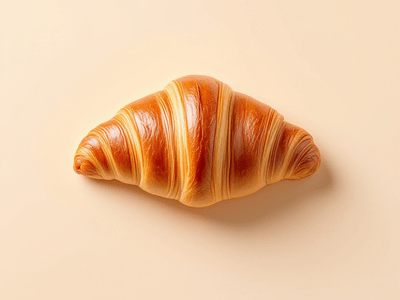
Buttery flaky crescent pastry — the French breakfast icon
How to Make Croissant (Traditional & Healthy Version)
The croissant is perhaps the most iconic pastry of France, renowned for its delicate, flaky layers and rich buttery aroma. Originating from the Viennoiserie tradition, croissants are a staple in French breakfast culture, often enjoyed fresh from local boulangeries. With roots in Paris and beyond, this beloved treat has become synonymous with mornings in France, symbolizing both elegance and comfort. The classic croissant is crafted with a laminated dough, a technique involving repeated folding of butter and dough to achieve a light, airy texture. Its golden exterior and soft interior deliver a satisfying contrast that is both visually appealing and a delight to the palate. For those seeking a health-conscious approach, this recipe reduces fat and incorporates whole wheat flour, maintaining the croissant’s authentic taste while offering a nutritious alternative. The croissant’s versatility makes it a perfect breakfast option, pairing beautifully with coffee, tea, or fresh fruit. Its cultural significance in France cannot be overstated—croissants are featured in family gatherings, weekend brunches, and festive celebrations, reflecting the French appreciation for quality, artisanal baking and mindful eating.
Ingrédients(pour 1 medium croissant (about 60g))
- 1 cup Whole wheat flour (Farine complète)
- 1 cup All-purpose flour (Farine blanche)
- 1/4 cup Unsalted butter (Beurre doux)
- 1/2 cup Low-fat milk (Lait écrémé)
- 1 packet (7g) Active dry yeast (Levure sèche)
- 2 tablespoons Sugar (Sucre)
- 1/2 teaspoon Salt (Sel)
- 1 (for egg wash) Egg (Oeuf)
- 1/4 cup Water (Eau)
Instructions
- 1
In a mixing bowl, combine whole wheat flour, all-purpose flour, sugar, salt, and yeast. Mix well to evenly distribute the ingredients.
5 minutes
Use room temperature ingredients for best dough consistency.
- 2
Add low-fat milk and water to the dry mixture. Knead until a soft, smooth dough forms. Cover and let rest for 30 minutes.
5 minutes
Don’t over-knead; a gentle touch keeps the dough tender.
- 3
Roll out the dough into a rectangle. Place cold unsalted butter in the center, fold the dough over the butter, and seal the edges.
5 minutes
Chill the butter and dough for easier lamination.
- 4
Roll the dough out again and fold into thirds. Repeat the rolling and folding process 2 more times, chilling between each fold.
30 minutes
This step creates the signature flaky layers.
Pourquoi ce plat est sain
By using whole wheat flour and low-fat dairy, this croissant recipe minimizes empty calories and increases nutritional value. The reduced butter content lowers cholesterol and saturated fat, making it suitable for calorie-conscious individuals. The balanced macros support weight management and sustained energy, while keeping the traditional French taste intact. It’s a mindful, healthier take on a classic, perfect for those who want to enjoy French cuisine without compromising their wellness goals.
This healthy croissant recipe uses whole wheat flour to boost fiber content and low-fat milk to reduce saturated fat. Whole grains offer essential minerals like magnesium and B vitamins, supporting energy metabolism. The recipe’s moderate butter ensures a balance between authentic flavor and cardiovascular health. One serving provides a mix of complex carbohydrates, protein from the milk and egg, and healthy fats, making it a sustained energy source for breakfast. Vitamins such as B2 (riboflavin) and calcium are present, contributing to bone health and vitality.
Astuces
- 💡Tip 1: Chill dough and butter between folds to prevent melting and ensure crisp layers.
- 💡Tip 2: Use a sharp knife to cut triangles for clean edges and even baking.
- 💡Tip 3: Allow croissants to fully cool before storing to maintain flakiness.
Conservation et service
Store cooled croissants in an airtight container at room temperature for up to 2 days. For longer storage, freeze individually and reheat in the oven for best texture.
À déguster de préférence: Breakfast or Lunch
Informations nutritionnelles
| Nutriment | Pour 100g |
|---|---|
| Énergie | 406.0 kcal |
| Protéines | 8.0 g |
| Glucides | 46.0 g |
| Lipides totaux | 21.0 g |
| Fibres | 2.0 g |